
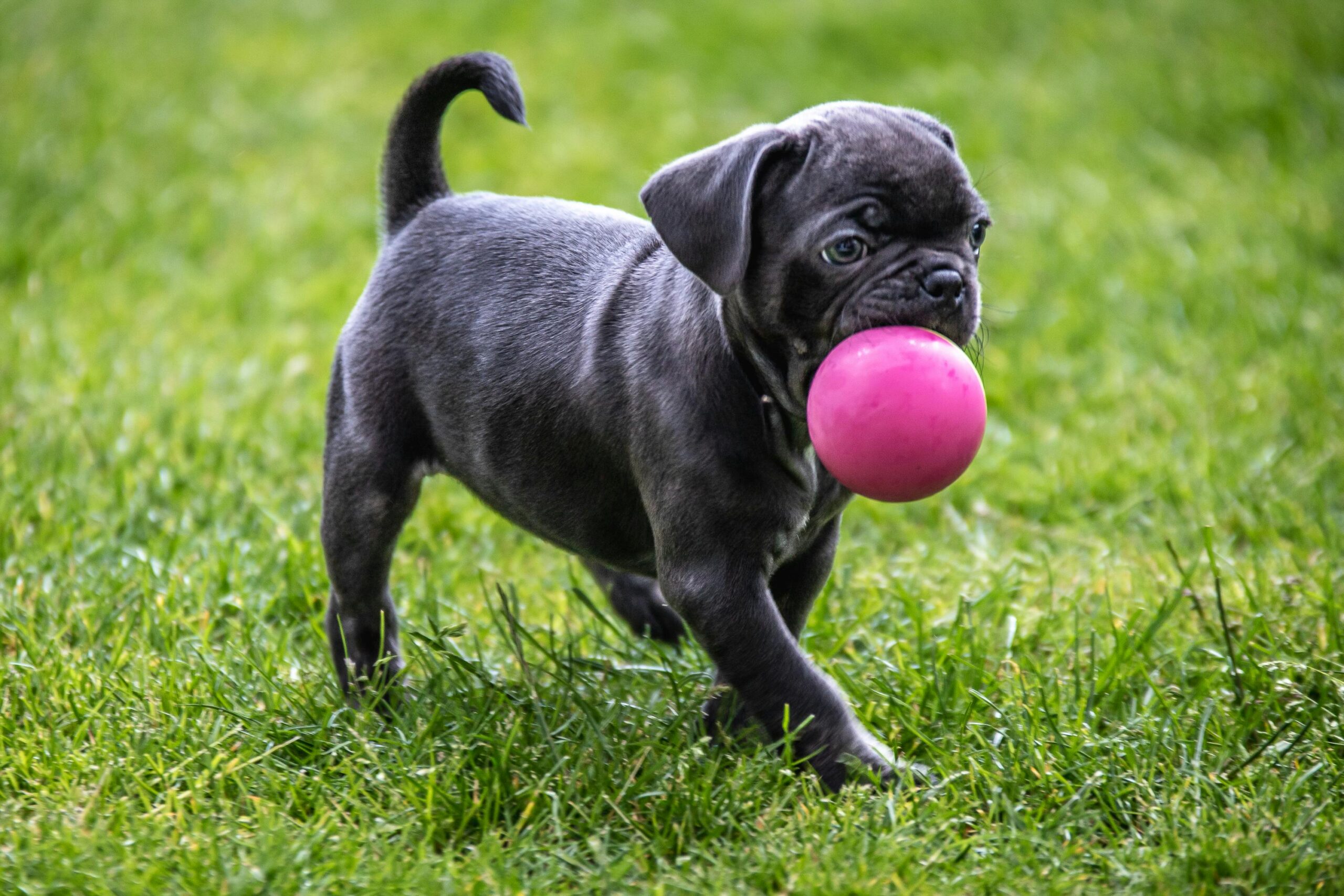
Bringing a new puppy home ranks among the most exciting moments in life. The tiny paws, the wagging tail, and that irresistible puppy breath make every new owner fall in love instantly. However, alongside all that joy comes one unavoidable challenge: toilet training.
Whether you live in a sunny North Shore suburb, a leafy Remuera neighbourhood, or a cosy Ponsonby apartment, every Auckland puppy owner faces the same learning curve. The good news? With the right approach, patience, and a few clever tools — including a quality indoor dog crate — you can toilet train your puppy faster than you might think. Auckland dog owners are increasingly turning to wooden dog crates as a trusted toilet training aid, and for good reason.
At Four Paws, we know that a well-designed wooden dog crate is one of the most effective tools in any puppy owner’s toolkit. In this comprehensive guide, we walk you through everything you need to know about puppy toilet training in Auckland, from establishing routines to avoiding common mistakes.
Why Toilet Training Matters From Day One for Auckland Puppy Owners
Toilet training is not just about keeping your carpets clean. It teaches your puppy boundaries, builds trust between you, and lays the foundation for a well-behaved adult dog. When you start toilet training early and consistently, your puppy learns to understand your expectations and develops confidence in their new home.
Dogs are naturally clean animals. They prefer not to soil their sleeping or eating areas, which is precisely why crate training works so brilliantly alongside toilet training. A custom timber dog crate from Four Paws gives your puppy a defined, comfortable space they instinctively want to keep clean — and that instinct becomes your greatest ally.
Understanding Your Puppy’s Bladder
Before diving into the training process, it helps to understand what you are working with. A young puppy’s bladder is small, and their control is limited. As a general rule, a puppy can hold their bladder for roughly one hour per month of age. A two-month-old puppy, for example, may need to go outside every two hours.
This means frequent trips outdoors are essential in the early weeks. Plan for bathroom breaks:
– First thing in the morning
– After every meal
– After naps
– After play sessions
– Last thing before bed
By anticipating your puppy’s needs, you stay ahead of accidents and reinforce good habits from the start.
Setting Up Your Auckland Home for Toilet Training Success
Preparation makes all the difference. Before your puppy arrives, set up a designated toilet area in your garden or outdoor space. Choose a spot that is easy to access and consistent — puppies thrive on routine, and returning to the same location helps them understand what you expect.
Inside your home, create a safe and comfortable space for your puppy. This is where a wooden dog crate truly shines. A well-sized custom timber dog crate provides a cosy den where your puppy can rest, sleep, and feel secure. For Auckland homes of all sizes, a wooden dog crate fits beautifully into your living space. Because dogs naturally avoid soiling their den, the crate encourages them to wait until you take them outside.
For small-breed puppies, the Four Paws small crate offers the ideal dimensions. It provides enough room for your puppy to stand, turn around, and lie down comfortably without being so large that they use one end as a toilet and the other as a bed.
For medium-breed puppies or those growing quickly, the Medium Size Crate gives your dog room to grow while still maintaining that snug, den-like feeling. If you have a larger breed — a Labrador, German Shepherd, or similar — the Large Size Crate ensures your puppy has ample space from the start.
The Step-by-Step Toilet Training Process
Step 1: Establish a Routine
Puppies learn fastest through consistency. Feed your puppy at the same times each day, take them outside at regular intervals, and use the same door to access your garden every time. The predictability of a routine helps your puppy anticipate bathroom breaks and reduces anxiety.
In Auckland, where many homes have compact sections, having a clear path from the crate to the back door is particularly helpful. Keep the route free from distractions so your puppy can focus on the task at hand.
Step 2: Use a Cue Word
Choose a simple cue word or phrase — something like “go toilet” or “be quick” — and use it every time you take your puppy to their designated spot. Over time, your puppy will associate the phrase with the action, making it easier to prompt them even in unfamiliar environments.
Step 3: Reward Immediately
The moment your puppy finishes toileting in the right spot, praise them warmly and offer a small treat. Timing is critical here. You need to reward them within seconds of the behaviour so they connect the action with the positive outcome. Delayed rewards cause confusion and slow the learning process.
Step 4: Supervise Constantly
When your puppy is out of the crate, keep a close eye on them. Watch for telltale signs that they need to go: sniffing the floor, circling, whining, or moving toward the door. If you spot any of these behaviours, calmly guide your puppy outside immediately.
If you cannot supervise your puppy — perhaps you are cooking dinner or helping children with homework — place them in their indoor dog crate. This prevents accidents and reinforces the habit of holding their bladder until the next outdoor break.
Step 5: Handle Accidents Calmly
Accidents will happen. Every puppy has them, and they are a normal part of the learning process. When you discover an accident, clean it up quietly with an enzymatic cleaner that eliminates the scent. Avoid scolding or punishing your puppy. Negative reactions create fear and confusion, which actually slow the training process down.
If you catch your puppy mid-accident, interrupt them gently with a calm “oops” and take them outside to finish. Then praise them for completing the job in the right spot.
Crate Training and Toilet Training: Why Auckland Dog Owners Choose Custom Timber Dog Crates
Crate training and toilet training go hand in hand. When used correctly, a custom timber dog crate is not a punishment — it is a sanctuary. Dogs are den animals by nature, and a well-introduced crate taps into their instinct to keep their resting space clean.
Here is how to use the crate effectively during toilet training:
– Place the crate in a common area of your home — the living room or kitchen works well — so your puppy feels included in family life.
– Line the crate with comfortable, washable bedding.
– Keep the crate door open during the day so your puppy can come and go freely.
– Feed meals inside the crate to build positive associations.
– When you cannot supervise, place your puppy in the crate with a safe chew toy.
The Four Paws range of custom timber dog crates is specifically designed to complement your home’s décor while giving your pet a dedicated space. Unlike wire crates, our wooden dog crates blend seamlessly into any living area, making them a stylish and practical choice for homes across New Zealand — from modern Hobsonville townhouses to character villas in Grey Lynn. Whether you need an indoor dog crate in Devonport or a wooden dog crate for your Mount Eden home, Four Paws has the perfect fit.
Night-Time Toilet Training
Nights can feel challenging in the first few weeks. Young puppies often need at least one bathroom break during the night. Set an alarm for roughly halfway through the night, take your puppy outside calmly, let them do their business, and then return them to their crate without fuss or play.
As your puppy grows and their bladder strengthens, you can gradually extend the time between night-time breaks. Most puppies sleep through the night by four to five months of age.
Keep the crate beside your bed during the early weeks. This way, you can hear your puppy stir when they need to go, and your presence provides comfort and reassurance.
Common Toilet Training Mistakes to Avoid
Even the most dedicated owners sometimes fall into habits that slow progress. Watch out for these common pitfalls:
Inconsistency: Changing the routine, using different doors, or varying mealtimes confuses your puppy. Stick to the plan.
Punishing accidents: Rubbing your puppy’s nose in a mess or scolding them after the fact does not teach them anything. It only damages trust.
Giving too much freedom too soon: A puppy who has run of the entire house is far more likely to have accidents. Use baby gates and the crate to limit their access until they are reliably trained.
Ignoring signals: Puppies communicate when they need to go. Learn to read their body language, and respond quickly.
Skipping praise: Positive reinforcement is the engine of toilet training. Never assume your puppy “knows” what they did right — tell them, and reward them.
Toilet Training Tips for Auckland’s Climate
New Zealand’s diverse climate means toilet training can look a little different depending on where you live. In Auckland, cool winter mornings may tempt you to skip outdoor trips — but consistency matters even when the temperature drops. Dress warmly, keep trips brief, and reward your puppy for braving the cold.
On Auckland’s western beaches, windy conditions may distract your puppy. In hillside suburbs like Titirangi or Mount Eden, slippery paths can make garden trips trickier during wet weather. Stay patient, use your cue word, and wait for them to finish before heading back inside.
Regardless of where you live, the key is to never let weather become an excuse to break the routine. Your puppy relies on consistency to learn, and a short, purposeful outdoor trip in the rain is far more effective than an indoor accident.
When to Seek Professional Help
Most puppies respond well to consistent training within a few weeks. However, if your puppy is significantly older than six months and still having frequent accidents, it may be worth consulting a veterinarian to rule out medical issues such as urinary tract infections or digestive sensitivities.
You might also consider working with a professional dog trainer if you feel stuck. Across Auckland, qualified trainers offer puppy classes and one-on-one support that can accelerate the process.
Celebrating Success
Toilet training is a journey, not a destination. There will be setbacks and breakthroughs, frustrating days and proud moments. Celebrate every step forward, and remember that your patience and consistency are building a lifetime of good habits.
When your puppy graduates from toilet training, their crate does not retire. It becomes their favourite spot to relax, nap, and retreat when the world feels overwhelming. A beautifully crafted wooden dog crate from Four Paws is not just a training tool — it is a piece of furniture your dog and your home will enjoy for years to come.
Ready to Get Started?
If you are preparing to welcome a new puppy into your Auckland home, investing in a quality indoor dog crate is one of the smartest decisions you can make. As Auckland’s trusted supplier of custom timber dog crates, Four Paws makes it simple. Browse our range of custom timber dog crates at Four Paws — available in Small, Medium, and Large sizes to suit every breed.
Have questions or need advice on choosing the right crate? Get in touch with our friendly team today. We deliver ready-to-use crates — no assembly required — to homes across Auckland.
Your puppy’s journey to becoming a perfectly house-trained companion starts here. And with a Four Paws custom timber dog crate by their side, they will feel right at home from the very first day.
Frequently Asked Questions About Puppy Toilet Training in Auckland
Where can I buy a custom timber dog crate in Auckland?
Four Paws offers custom timber dog crates delivered across Auckland — from the North Shore to South Auckland. Browse the full range at fourpaws.co.nz and enjoy free shipping and returns.
How long does it take to toilet train a puppy in Auckland?
Most puppies in Auckland can be reliably toilet trained within four to eight weeks with consistent routines, positive reinforcement, and the help of an indoor dog crate. Auckland’s mild climate makes year-round outdoor training manageable.
Are wooden dog crates good for toilet training?
Yes. Wooden dog crates from Four Paws are excellent for toilet training because they create a cosy, den-like space your puppy instinctively wants to keep clean. They are also far more attractive than wire crates, blending seamlessly into Auckland homes.
What size dog crate do I need for my puppy?
Four Paws offers Small, Medium, and Large custom timber dog crates. Choose a crate where your puppy can stand, turn around, and lie down comfortably. If in doubt, contact the Four Paws team for personalised advice.
Do Four Paws deliver dog crates across Auckland?
Yes. Four Paws delivers fully assembled custom timber dog crates to all Auckland suburbs, including the North Shore, West Auckland, East Auckland, South Auckland, and the CBD. Free shipping and returns are included.

Four Paws Also Off AFTERPAY – shop now pay later (4 installments over 8 weeks)
If you’re ready to welcome a dog into your life, set your home up for success with the right tools and environment. Thoughtfully designed solutions—like custom-built wooden dog crates—help create a space that works for both you and your dog.
Because at the end of the day, dogs aren’t just pets—they’re family.
If you’re ready to give your pet a safe, comfortable crate that is also a stylish addition to your home’s decor, you need a 100% New Zealand Made Four Paws NZ Crate
Contact Wayne
021 044 6096
info@fourpaws.co.nz
Here’s a list of highly recommended Auckland Businesses that you may find helpful
The Dog Den
https://www.thedogden.co.nz
Exceptional care, international standards, and the best value doggy daycare on the Shore. Attend 3+ days per week for as little as $43 per day with our VIP Platinum Pass.
Dog HQ
https://www.doghq.co.nz
We are the award winning North Shore dog day care service providing a loving and professional environment.Let your dog experience the ultimate in social stimulation with the specialists in Day Care – DogHQ.
Kumeu Kennels
https://kumeukennels.co.nz/


Introducing a Crate to Your Dog: The Complete New Zealand Guide to Stress-Free Crate Training
Crate training is one of the most valuable skills you can teach your dog — yet it remains one of the most misunderstood aspects of

Four Paws NZ
Handcrafted in NZ Pine, our luxury dog crates double as stylish furniture. They provide a secure, comfortable den for your pet while beautifully complementing your home décor. Custom sizes available.